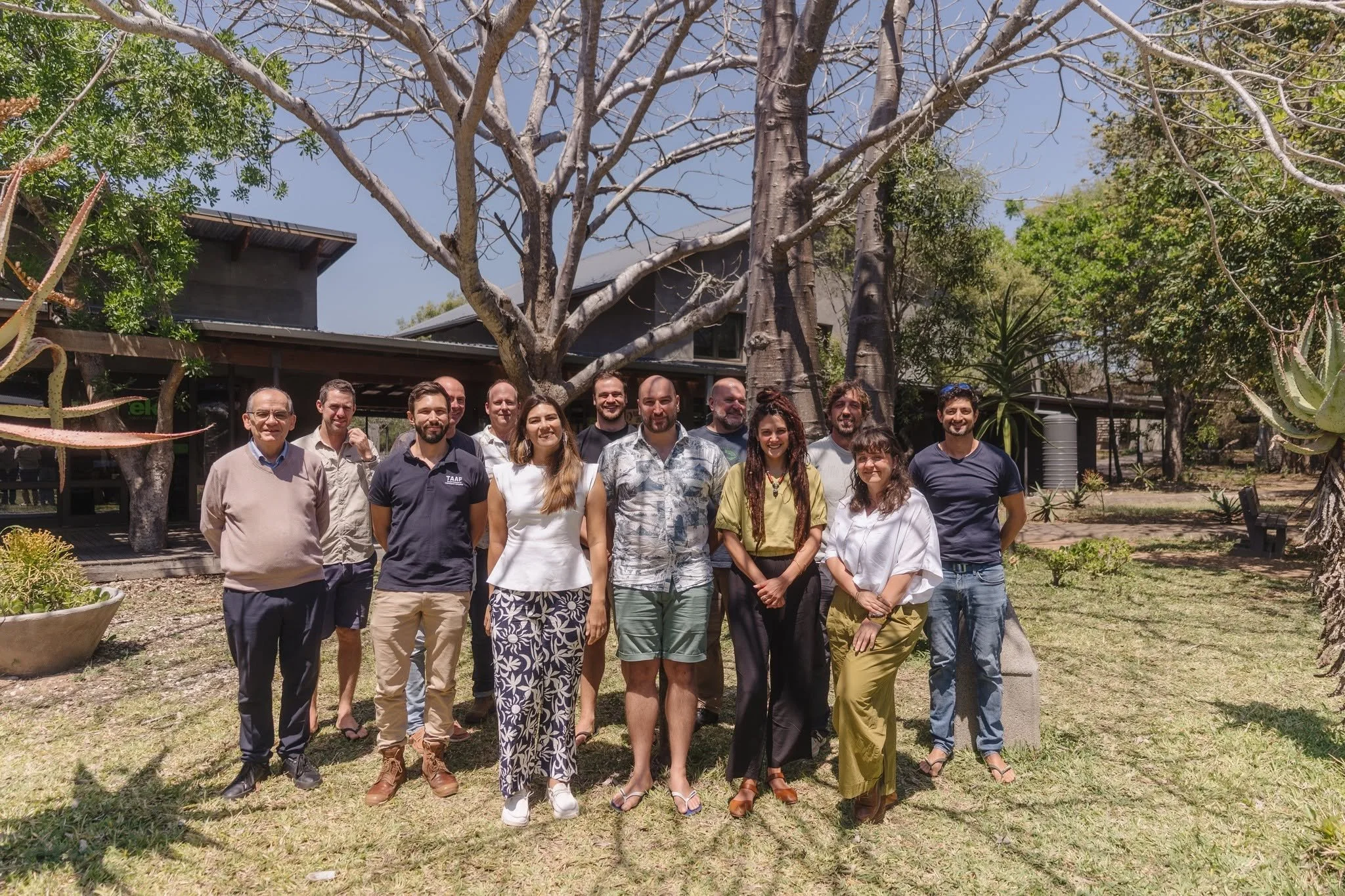
The Sea Search Killer Whale Team is expanding its horizons. With Dr Paul Tixier as a PI on a project called “COEXISTENCE”, we are contributing to research on the human-wildlife interactions between killer whales and other “black fish”. The project falls under an umbrella programme called SIOMPA, which stands for Southern Indian Ocean Marine Protected Areas. The aim of this programme is to combine expertise across nearly all aspects of marine research, from apex predator ecology to socio-economic factors, to collate data for MPA prioritisation and establishment.
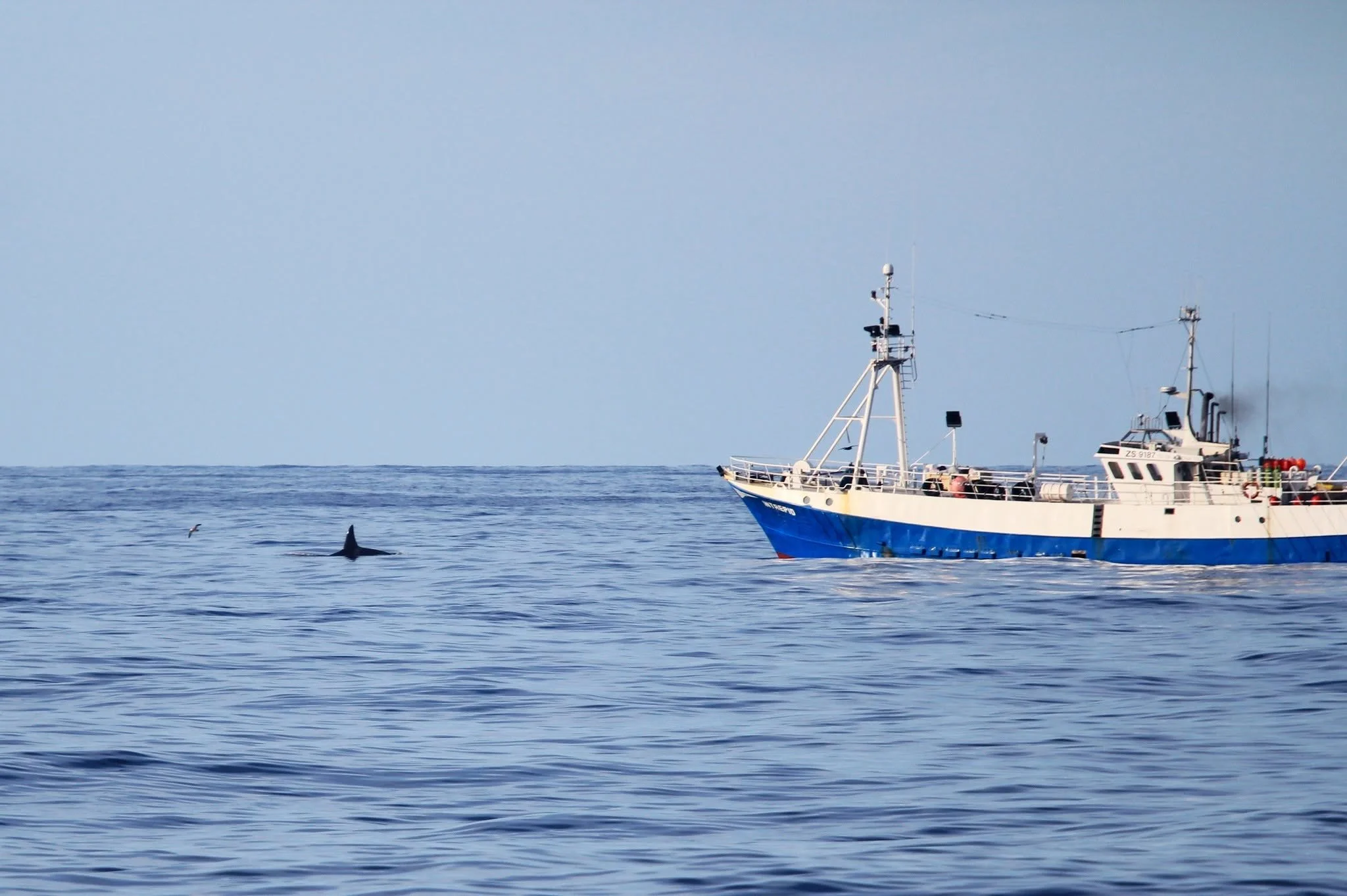
The COEXISTENCE team is split into two, one focusing on Bull, Tiger, and Scalloped Hammerhead shark interactions led by the Oceans Research Institute in Durban and the other - our team - focusing on Killer, False-Killer, and Pilot whale interactions. All research will be conducted essentially from Cape Town to Tanzania with a major focus on the Mozambique Channel – a massive area!
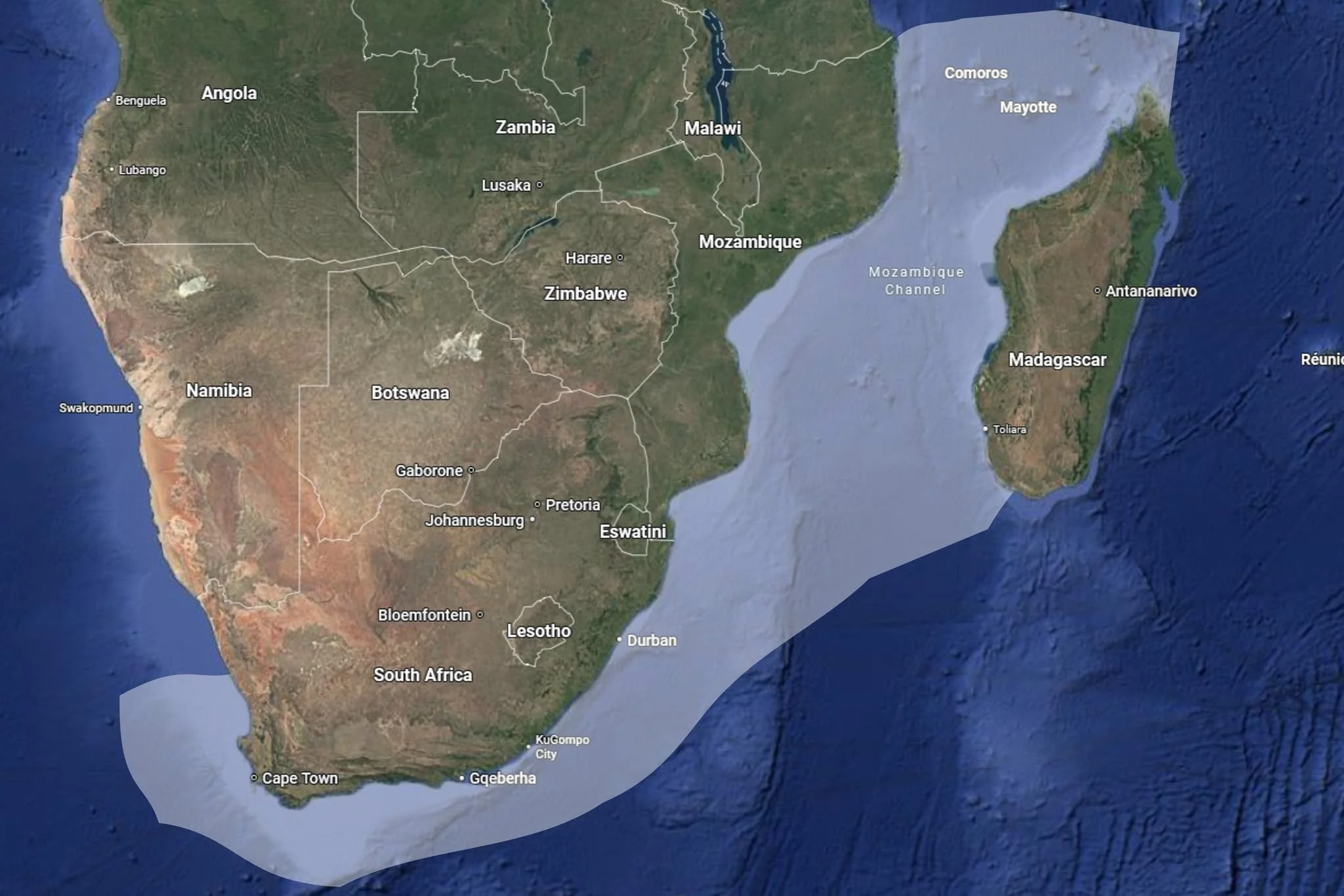
The Project area runs from Cape Town to Tanzania - requiring huge international collaboration efforts
Over the last couple of weeks, our team visited the Wits Rural Campus near Kruger Park for training and multiple-day meetings to plan for the monumental task ahead. PhD student Aaron Barnes attended six days of workshops and lectures, with training in measuring marine connectivity using modelling, tagging, and genetic data.
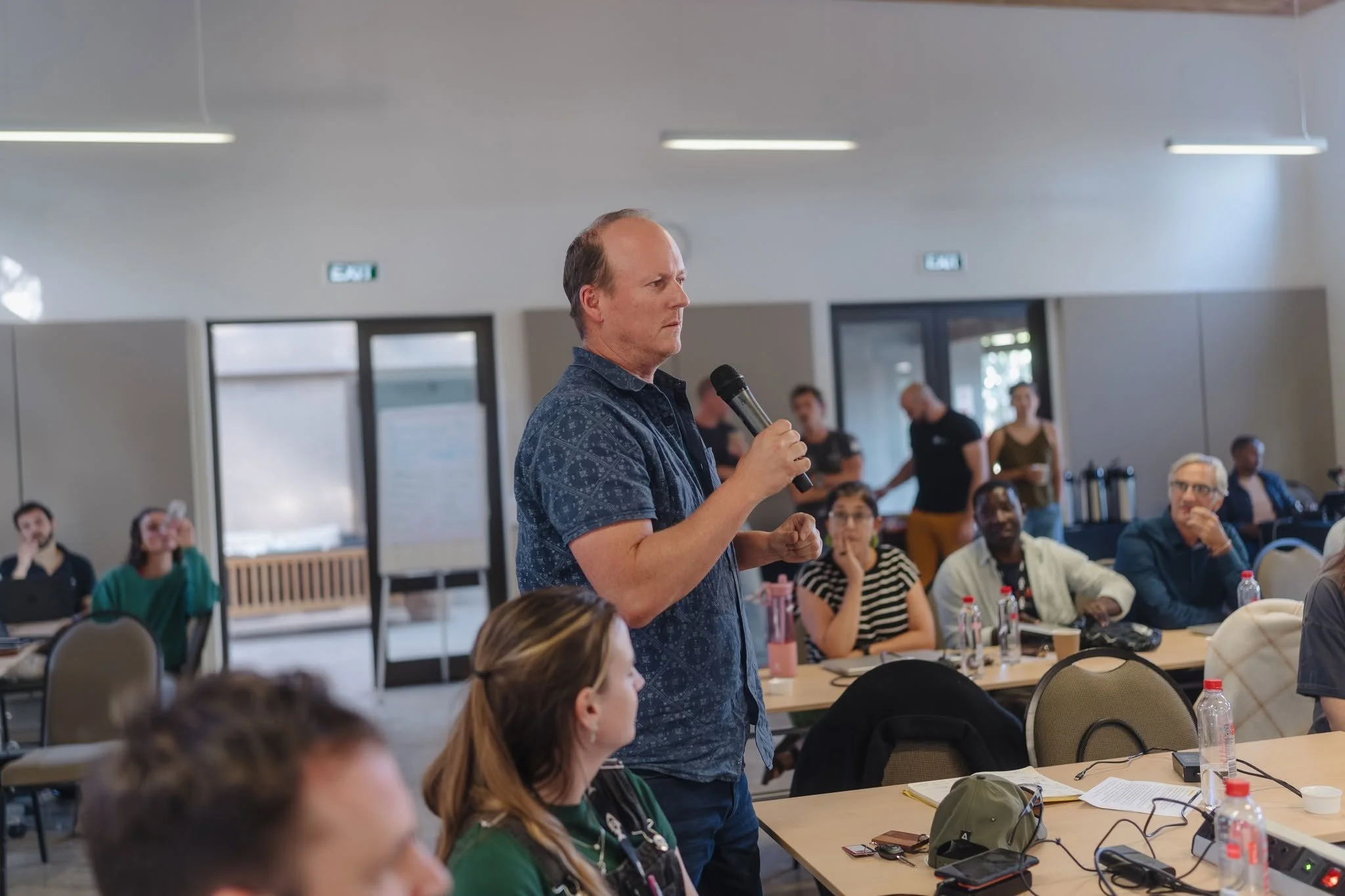
He was later joined by Dr Elwen and Dr Tixier, as well as the remaining members of the COEXTISTENCE teams, for three days of meetings, very much needed given the scope of the project, the many countries and organisations, and all the associated logistics involved.
Our goal is to understand the biology, frequency, and impacts of these interactions throughout the study region, with the ultimate goal of not only understanding them but also finding solutions for both the animals and the fishing industry.
Step one for us concerns biology – who and which animals are involved, how frequently they interact with fisheries, what they steal from fisheries, and where they go. Simple questions on paper but very difficult to assess at sea.
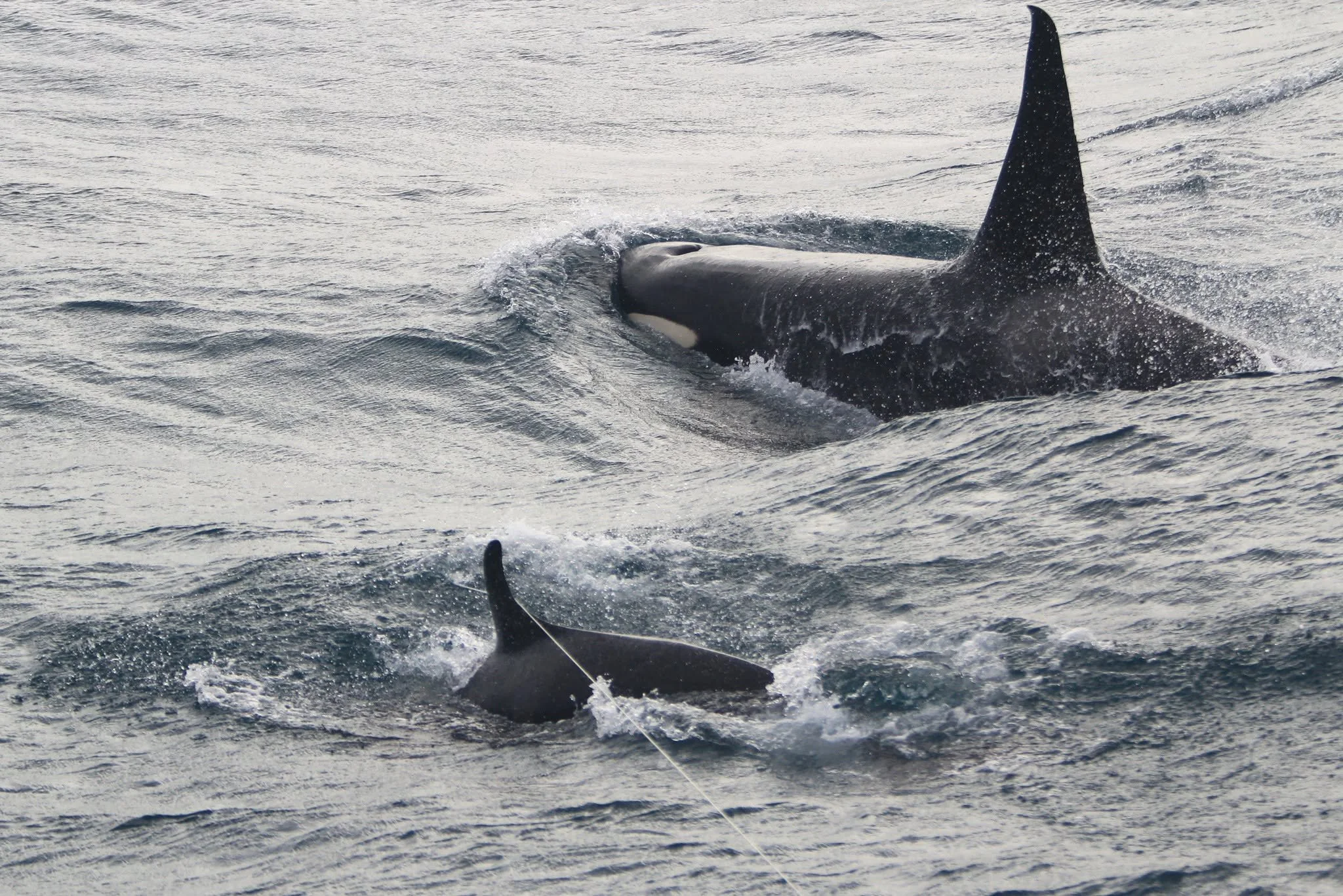
We are using photo-identification, genetics, and satellite tagging data to start, from which we can include fisheries and other data going forward.
Although partners are not listed here, the level of collaboration and teamwork required for a project like this cannot be overstated. Cooperation with fisheries themselves is also paramount, and we are slowly building relationships within that space. But after a successful trip and with a lot of hard work ahead, our team is set to take on the new challenge and continue producing valuable research on killer whales!