Cape fur seal health
Dead seals. Rising aggression. A disease nobody expected.
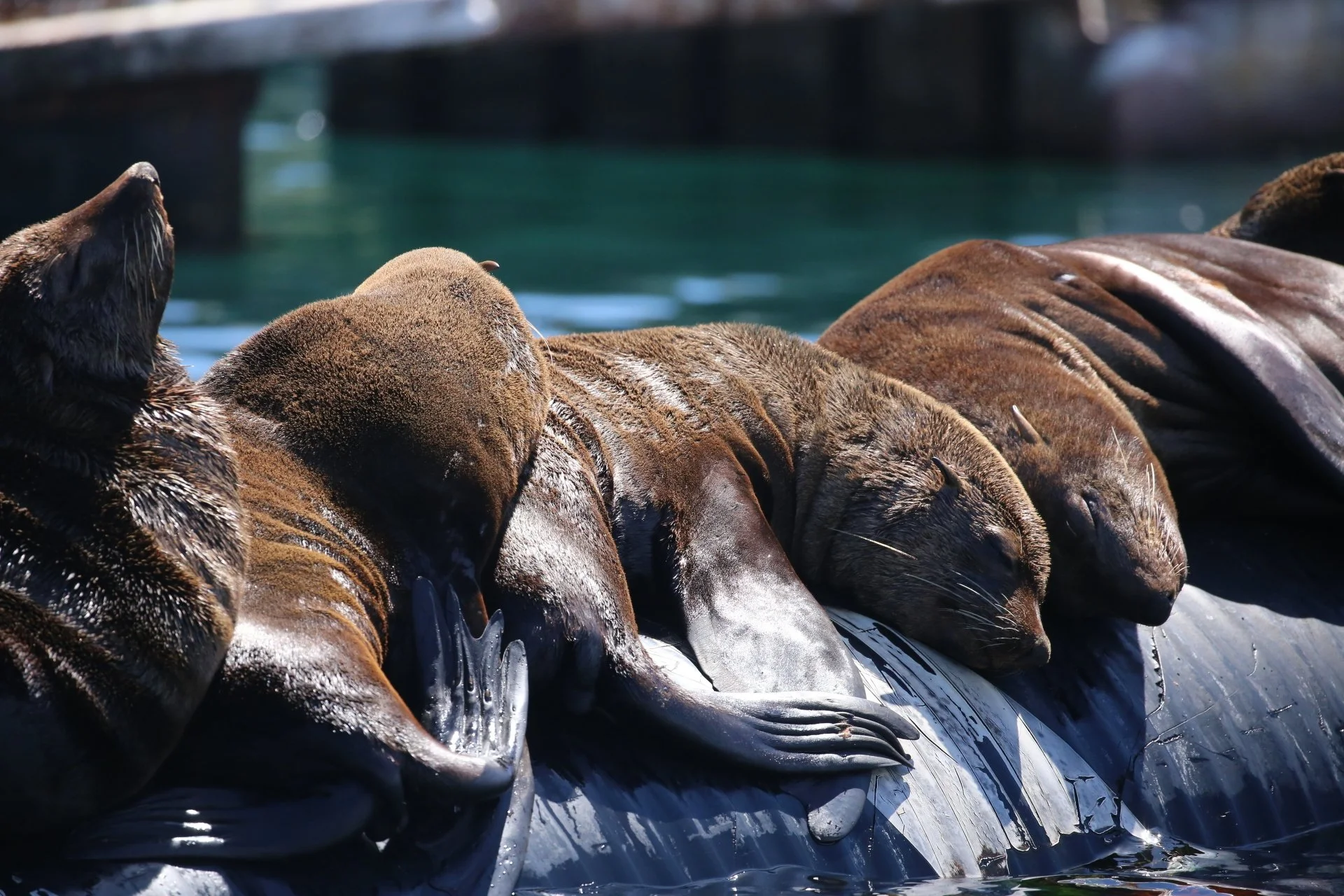
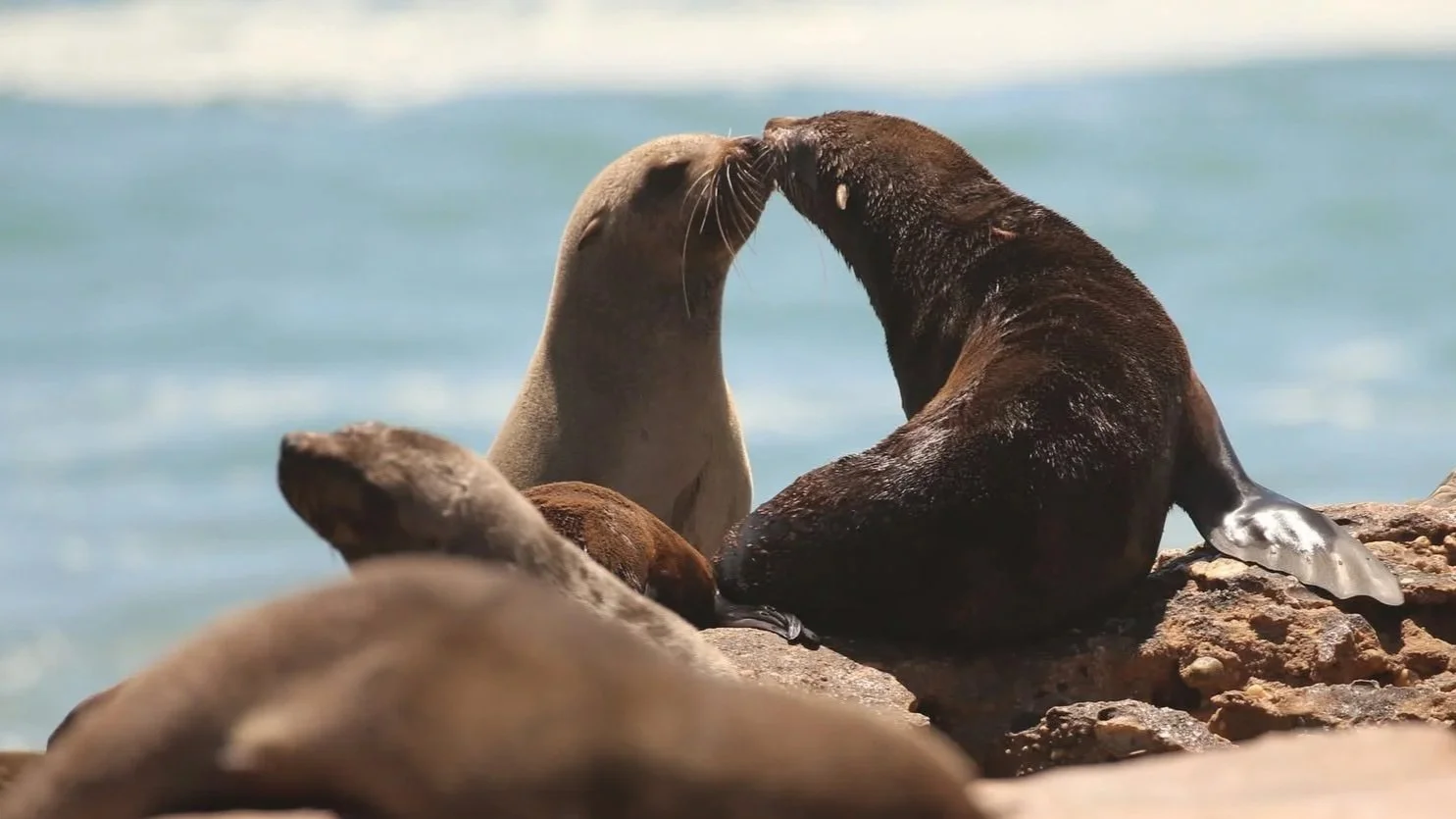
Cape fur seals are a familiar sight along South Africa's coast, with nearly a million of them, and hugely popular with tourists who watch and swim with them. But in recent years, seal attacks on swimmers have become more frequent and more serious, and in 2024 we confirmed Rabies circulating in the population, with new cases reported almost every month. This poses both a welfare crisis for the seals and a growing disease risk to the people who share their waters.
Our project brings together researchers to track how the rabies outbreak is affecting seal health, support wildlife managers responding to it, and understand its knock-on effects, from how water users perceive the ocean and seals, to how healthcare workers manage bite victims.
It's a One Health approach: recognising that wildlife, people and the environment are all connected.
This builds on monitoring we've run since the 2021 mass mortality event. We conduct regular mortality surveys around Cape Town, plus self-funded surveys in Elands Bay and Lamberts Bay, collecting biological samples, age, sex and length data. In Namibia, monitoring is carried out through a local partner network established by the Namibian Dolphin Project. Since 2020, we've carried out over 500 necropsies, gathering samples for both biological research (diet, vocal tracts, whiskers) and health surveillance (histopathology, pollutants). We welcome collaboration on this sample archive. Necropsy numbers have dropped since rabies emerged, as the disease's notifiable status brings much tighter permitting, making broader health monitoring harder.
This work is costly and almost entirely without long-term funding support. Our project currently runs on donations alone, and that funding has nearly run out. If you'd like to support the project, you can donate via GivenGain. You can also contribute directly: our citizen science project collects sightings, strandings and carcass reports from the public via iNaturalist.