A multi-aspect collaborative project on humpback whales around southern Africa
Humpback Whale Ecology & Acoustics
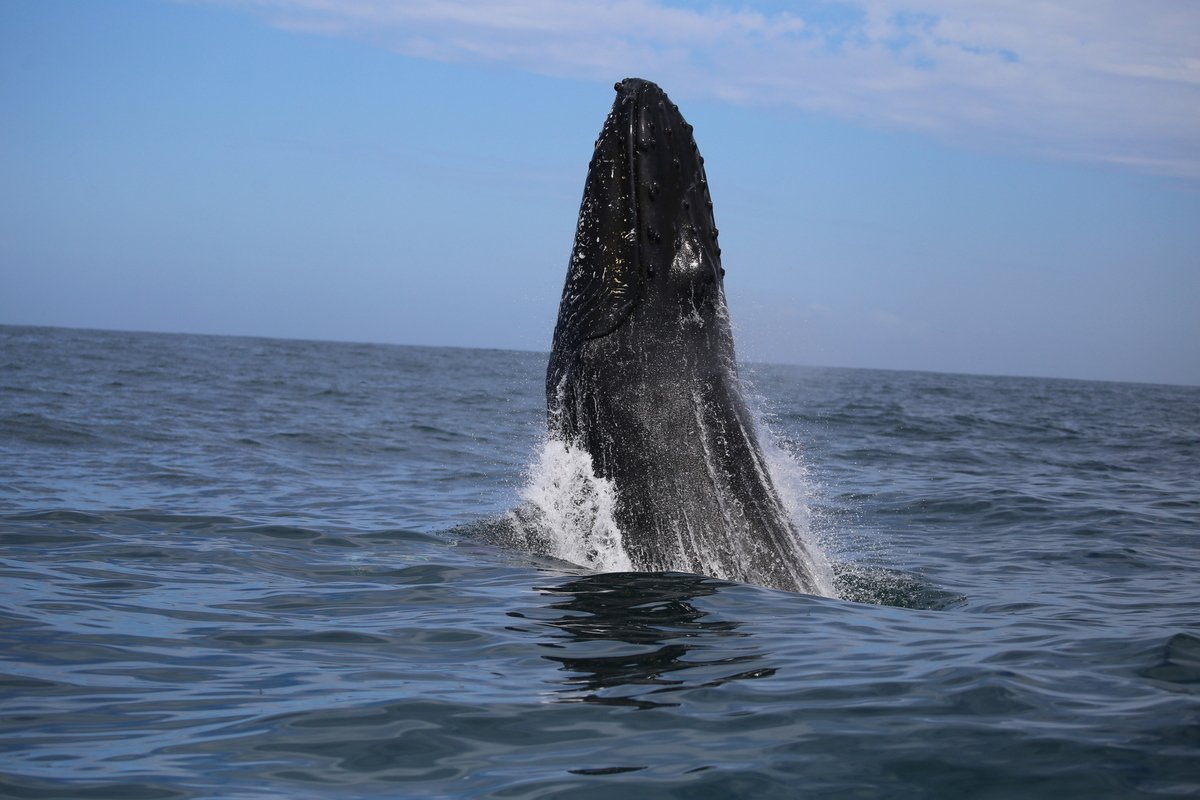
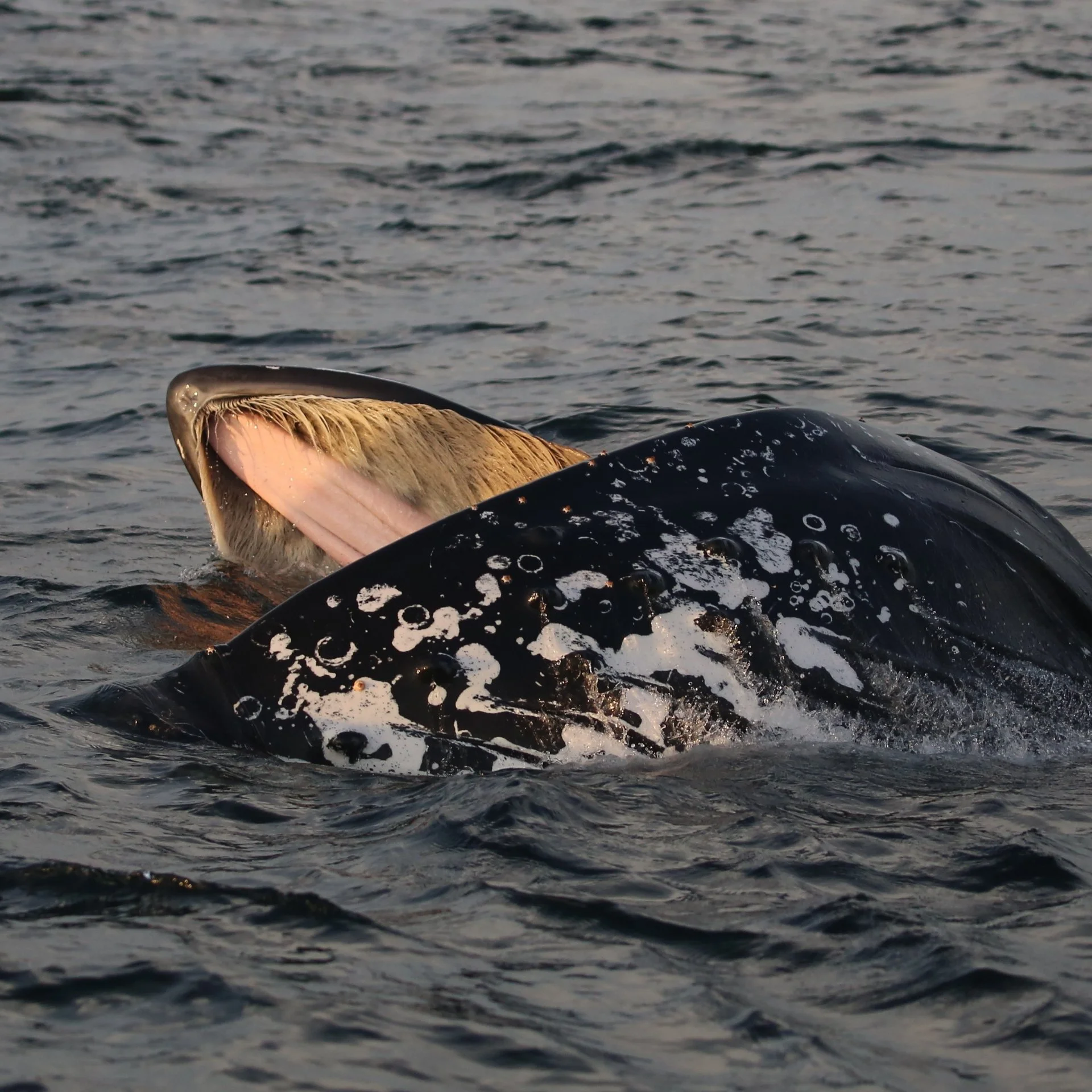
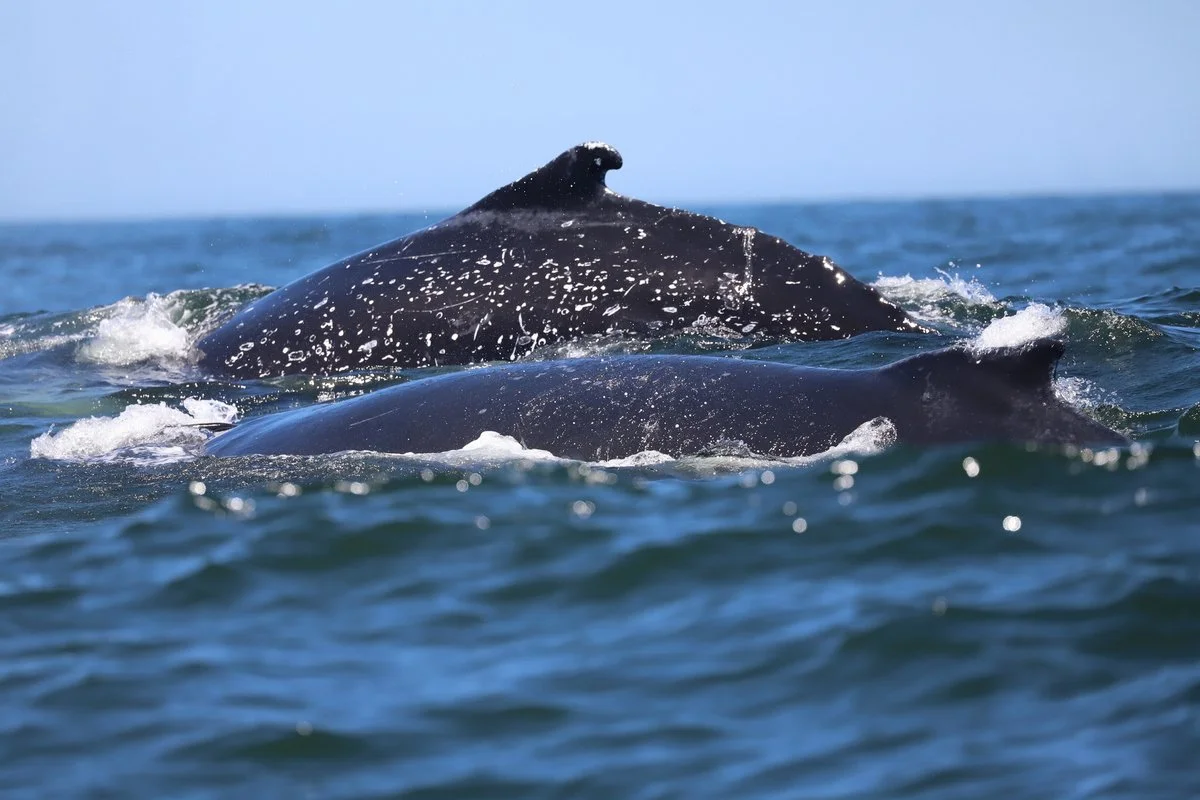
Studies of whale song, non-song calls and feeding super-groups. Each year, thousands of humpback whales gather off in the Southern Benguela off the west coast of South Africa during spring and summer. This low latitude feeding ground provides researchers (and the public) a unique opportunity to observe and study the feeding behaviour Southern Hemisphere humpback whales outside the Southern Ocean.Off South Africa these whales engage in what appears to be a unique feeding behaviour – that of forming dense aggregations of 100s of individuals, all feeding for hours on end. These groups of very vocally active. Our research on humpback whales in South Africa and Namibia covers a wide range of aspects but falls under three main themes:
Vocalisation behaviour: we are using a range of methods to record the song and non-song vocalisations of humpback whales in South Africa and Namibia. Indications are that whales from both the east and west coasts may be mixing in this feeding ground. We are investigating the structure of the song recorded over the year to provide insight into this question. Non-song (or social) calls are far less well studied than humpback whale song. We are building up a repertoire of non-song calls and linking them to whale behaviour with the aim of being able to understand vocal communication within these large groups, cultural transmission of calls and to be able to better use passive acoustic monitoring to study whale movement over large areas.
Population Structure: We collect biopsies for genetics and photographs of individuals off Namibia and South Africa to investigate population parameters like abundance, seasonality and movements.
Human Impacts: Through a range of contracts and self-motivated studies we are working to understand the interactions of whales with aquaculture, trap fisheries and shipping around the Western Cape. When feeding in super-groups whales are often very close to shipping channels and do not respond strongly to passing vessels. There is a high chance of extensive damage occurring to both human life and whales in the event of a ship running through a feeding group of 10s or 100s of whales.
Publications on Humpback Whales
Whale killers on the coast of South Africa: killer whale predation on a humpback whale super-group. Seyboth E, Wilkinson C, Elwen SH, Barnes A & Vermeulen E. (2026) African Journal of Marine Science.
Underwater behavior of Southern Hemisphere humpback whales (Megaptera novaeangliae) feeding in super-groups, from video footage. Elwen SH, Hannén R, Benjamin S, Velasquez Rojas C, Probert R & Gridley T. (2025) Marine Mammal Science.
An update on the occurrence of humpback whale (Megaptera novaeangliae) super-groups on the west coast of South Africa. Seyboth E, Findlay K, Vogel A, Abras D, Hurwitz D, Vermeulen E, Gridley T, Tresfon J & Elwen SH. (2025) Marine Mammal Science.
Song recordings suggest feeding ground sharing in Southern Hemisphere humpback whales. Schall E, Djokic D, Ross-Marsh E, et al. (2022) Scientific Reports.
Detection of humpback whale (Megaptera novaeangliae) non-song vocalisations around the Vema Seamount, Southeast Atlantic. Ross-Marsh EC, Elwen SH, Fearey J, Thompson K, Maack T, Webber T & Gridley T. (2022) JASA.
A first look at humpback whale (Megaptera novaeangliae) song structure from western South Africa. Hawkey JS, Elwen SH, James BS, Prinsloo AS & Gridley T. (2020) African Zoology.
Singing in South Africa: Monitoring the occurrence of humpback whale song near the Western Cape. Ross-Marsh EC, Elwen SH, Prinsloo AS, James BS & Gridley T. (2020) Bioacoustics.